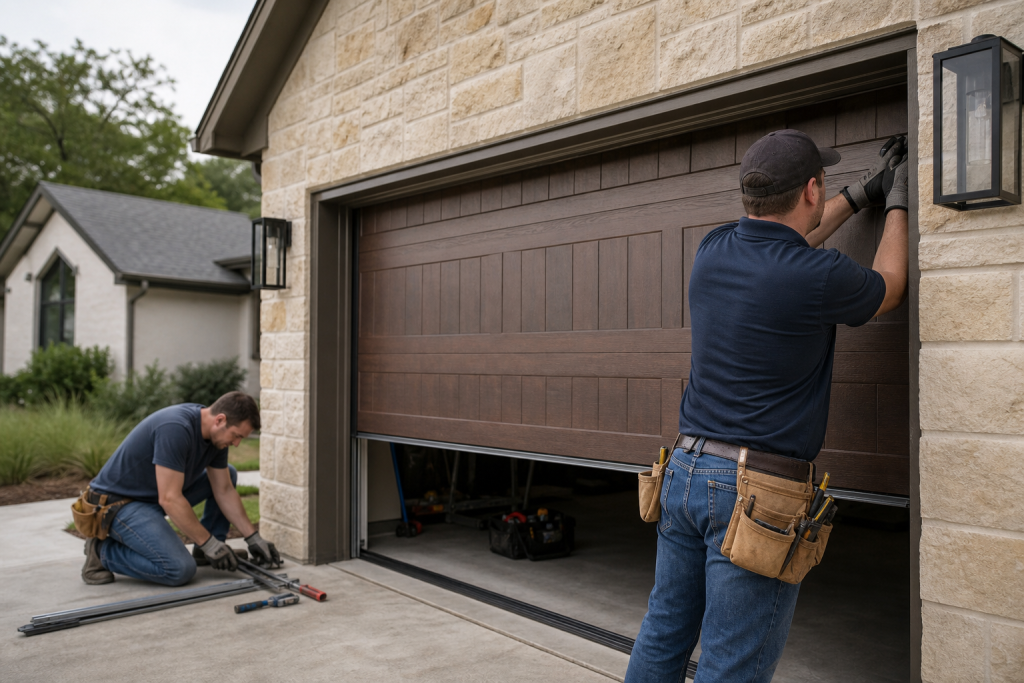
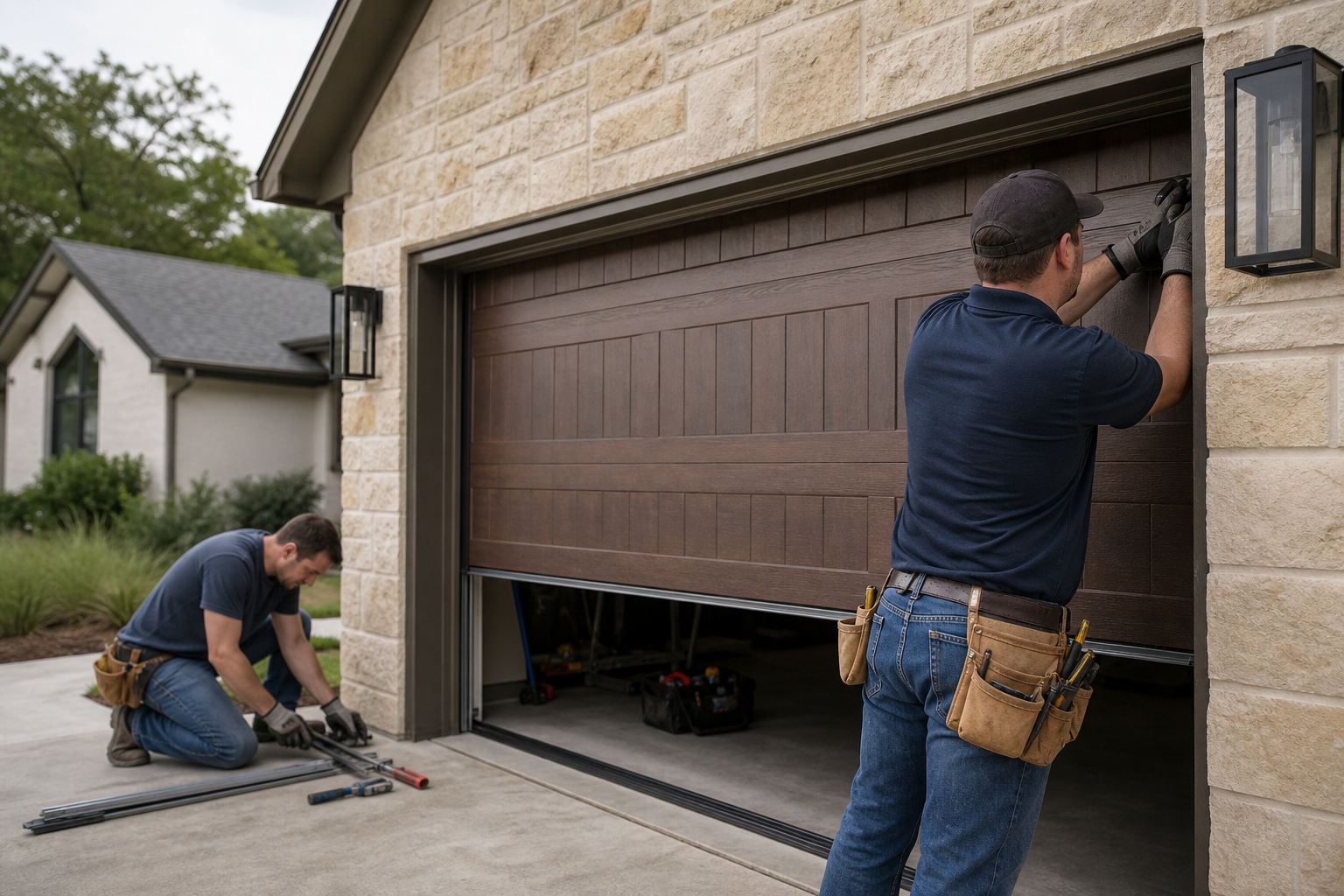
DIY vs. Professional Garage Door: What Austin Homeowners Should Know
The garage door spring is under extreme tension, storing enough energy to cause severe injury if it snaps unexpectedly. While lubricating rollers or tightening hardware are generally safe DIY tasks, attempting repairs on high-tension components like torsion springs or cables without proper training and equipment is where homeowners in Austin can find themselves in serious trouble. For these critical repairs, and when in doubt, professional expertise from a seasoned technician is always the safest bet.
We see it all the time here in Austin: a homeowner decides to tackle a garage door issue themselves, thinking it’ll save time and money. While some minor maintenance tasks are perfectly suited for a DIY approach, others can quickly turn into expensive, and even dangerous, situations. Understanding the difference is key to keeping your garage door functioning safely and efficiently, and knowing when to call in the pros at Total Garage Door Experts Austin is part of that knowledge.
Dangerous DIY: What Not to Touch in Your Austin Garage
When it comes to garage door repair, there are specific components that store significant amounts of energy and can cause serious harm if mishandled. These are the parts you absolutely should not attempt to adjust, repair, or replace yourself. In Austin, where we experience fluctuating temperatures that can affect metal components, these high-tension parts can be even more unpredictable. The primary culprits are the torsion springs and the cables attached to your garage door system.
Torsion springs, located above your garage door, are wound tightly and under immense pressure. They’re responsible for counterbalancing the weight of the door, making it easier to lift. If one of these springs breaks or needs adjustment, attempting to do so without specialized winding bars and a deep understanding of the forces involved is incredibly risky. We’ve seen situations where a homeowner thought they could simply release the tension, only to have the spring violently uncoil, causing significant damage to the door, the surrounding structure, and potentially severe personal injury. This isn’t just an inconvenience; it’s a genuine safety hazard.
Similarly, the lift cables that run from the bottom of the door up to the spring system are also under high tension. If a cable snaps or comes off its drum, it can whip around with considerable force. Trying to re-route or replace these cables without proper training can lead to them snapping or causing further damage to other parts of the door. For any work involving these specific components, it’s always best to trust the expertise of a professional. For homeowners in areas like Tarrytown or Westlake who might have older, heavier doors, these risks are amplified.
The High-Tension Trio to Avoid:
- Torsion Springs: These are the most dangerous component. They are tightly wound and store a massive amount of energy. Never attempt to adjust, repair, or replace them without specialized tools and training.
- Lift Cables: Connected to the springs, these cables are also under significant tension. If they fray, snap, or come off their pulleys, they can cause injury.
- Drum and Pulley Systems: These are integral parts of the cable and spring system. Tampering with them directly can lead to the uncontrolled release of stored energy.
For any of these critical repairs, especially in the unique climate of Austin, it’s crucial to err on the side of caution. Professionals at Total Garage Door Experts Austin have the right tools and years of experience to handle these situations safely and efficiently. If you’re experiencing issues with your springs or cables, don’t risk it – call us at (737) 210-3210 for a free estimate.
Safe & Simple DIY Garage Door Maintenance for Austin Residents
Now, not all garage door tasks are off-limits for DIY enthusiasts. There are several straightforward maintenance and minor repair jobs that Austin homeowners can safely handle with common household tools. These tasks can help keep your garage door running smoothly, extend its lifespan, and prevent minor issues from becoming major problems. Performing these simple checks regularly can save you the cost and hassle of a service call for issues that are easily preventable.
One of the easiest and most beneficial DIY tasks is lubricating your garage door’s moving parts. Over time, the tracks, rollers, and hinges can become dry, leading to squeaking and increased wear. A silicone-based spray lubricant, applied to the rollers (not the tracks themselves) and hinges, can make a world of difference. This is especially helpful in Austin’s drier months when metal parts can become more prone to friction. Another simple yet effective task is to visually inspect your garage door for any loose hardware. Bolts and screws can vibrate loose over time, especially with the traffic and weather we experience here in Austin. Tightening any loose nuts or bolts on the door panels, hinges, and track brackets can prevent more significant issues down the line.
Checking and cleaning your garage door’s photo-eye sensors is another quick DIY win. These sensors, usually located near the bottom of the door tracks, are crucial for safety. If they become dirty, misaligned, or blocked, your garage door might refuse to close or reverse unexpectedly. Simply wiping them clean with a soft cloth and ensuring they are properly aligned (they should be directly facing each other) can resolve many of these common issues. We often see this as the culprit for a door not closing properly in neighborhoods like the Domain or Mueller.
Your DIY Garage Door Toolkit:
- Lubrication: Silicone spray lubricant for rollers and hinges.
- Tools: Socket wrench set, screwdriver set, pliers for tightening loose hardware.
- Cleaning Supplies: Soft cloths and a mild cleaning solution for sensors and tracks.
- Inspection Tools: Flashlight to check for wear and tear on cables and springs (without touching them).
By incorporating these simple maintenance steps into your routine, you can significantly improve the performance and longevity of your garage door. It’s a small investment of time that can pay big dividends. For any of these tasks, or if you encounter something beyond basic maintenance, remember that Total Garage Door Experts Austin is here to help. Call us at (737) 210-3210 for prompt and professional service throughout Austin.
The Balance Test & Force Test: Knowing When Your Austin Door Needs Adjustment
One of the most critical indicators of a garage door’s health is its balance. A properly balanced door should lift and lower smoothly with minimal resistance, and it should stay open at any position when you manually disengage the opener. Performing a simple balance test can tell you if your spring system is working correctly, and crucially, whether it’s safe to operate your door. This is a vital check for any Austin homeowner, as an unbalanced door can put excessive strain on your opener and even become a safety hazard.
To perform the balance test, first, make sure your garage door is fully closed. Then, disengage the opener by pulling the red emergency release cord. This cord typically hangs from the opener’s trolley. Once disengaged, try to lift the door manually. It should lift with a relatively smooth, controlled motion, and you should be able to hold it halfway open without it slamming down or flying up. If it’s extremely heavy to lift, snaps shut quickly, or stays stubbornly stuck in one position, it’s a strong sign that your spring system is out of balance and needs professional attention. This could be due to a worn spring or an issue with the cables. We often advise our clients in South Austin that an unbalanced door isn’t just inconvenient; it’s a precursor to potential damage.
The force test is another simple yet effective way to assess your opener’s performance and the door’s overall operation. After you’ve re-engaged the opener, test its closing force. Place a piece of wood (like a 2×4) on the ground where the door closes. When the door makes contact with the wood, it should automatically reverse and open back up. If it pushes the wood aside or continues to try and force its way down, the opener’s force setting is too high, which can also be a safety concern, especially if children or pets are around. Conversely, if it reverses too easily, the force might be too low. This test helps ensure your opener is working within safe parameters.
Key Garage Door Tests:
- Balance Test: Disengage the opener and manually lift the door. It should feel balanced and hold its position halfway open.
- Force Test: With the opener engaged, place a 2×4 in the door’s path. The door should reverse upon contact.
If your garage door fails either of these tests, it’s time to call in the experts. These aren’t minor issues; they point to underlying problems that a professional can diagnose and fix. For homeowners in Austin looking for reliable garage door service, Total Garage Door Experts Austin performs these checks and more. Contact us at (737) 210-3210 for a free estimate and ensure your door operates safely.
The Real Cost Math: DIY Savings vs. Professional Investment in Austin
When considering whether to tackle a garage door issue yourself or call a professional, the “cost” equation is often more complex than it appears. While a DIY approach might seem cheaper upfront by avoiding a service call fee, the true cost can escalate quickly if the repair isn’t done correctly. In Austin, where we pride ourselves on smart investments, understanding this cost differential is crucial for homeowners.
Let’s consider a common scenario: a squeaky door or a roller that has come off its track. A DIY fix might involve a can of lubricant and some basic tools, costing perhaps $10-$20. This is a smart, cost-effective DIY task. However, if a homeowner attempts to fix a broken spring themselves, buying a new spring might cost $50-$100, but the potential for damage can easily turn that into a $400-$600 repair bill for the broken door panel, opener damage, or even structural issues. This is where the “cheap” DIY fix becomes far more expensive than a professional service call, which might range from $150-$350 for a spring replacement, depending on the type of spring and the door. At Total Garage Door Experts Austin, Paul and his team have seen this cycle repeat many times, especially in areas like Cedar Park and Round Rock, where homeowners are looking for value but can be misled by the perceived savings of DIY.
Another factor to consider is time. A DIY repair can take hours, involving trips to the hardware store, trial and error, and potentially more trips if the initial attempt fails. A professional technician, with years of experience and the right parts on hand, can often complete the repair in a fraction of that time. For busy Austin families, that saved time is valuable. Furthermore, professionals carry specialized tools and have access to a wider range of parts for all major brands, including LiftMaster, Clopay, and Amarr, often leading to a more durable and correct repair on the first visit.
Cost Comparison: DIY vs. Professional
- Minor Lubrication/Tightening: DIY: $10-$20. Professional: Not typically needed unless part of a larger service.
- Roller Replacement: DIY: $20-$50 (parts & tools). Professional: $75-$150.
- Spring Replacement: DIY: $50-$100 (spring only, high risk). Professional: $150-$350 (includes labor, expertise, safety).
- Opener Repair/Replacement: DIY: Varies, significant risk of damage. Professional: $250-$600+.
The real cost math favors professionals for anything beyond basic maintenance. When you factor in the risk of injury, potential for further damage, and the value of your time, investing in a professional repair is often the most economical and safest choice. If you’re in Austin and need a reliable, expert assessment of your garage door issue, call Total Garage Door Experts Austin at (737) 210-3210. We offer free estimates and upfront pricing so you know exactly what to expect.
What Paul Martin Tells His Neighbors About DIY Garage Doors
As the owner and lead technician here at Total Garage Door Experts Austin, I often get asked by neighbors and friends, “Should I try to fix this myself, or is it worth calling you guys?” It’s a fair question, and my answer is always the same: it depends entirely on what “this” is.
For simple tasks like lubricating your rollers – especially important here in Austin with our dry air and sometimes dusty conditions – or tightening up a loose hinge, go for it! Grab a can of silicone spray and your socket set. These are genuinely safe jobs that can keep your door running smoothly and prevent minor issues from becoming bigger headaches. I’ve even seen folks in neighborhoods like Hyde Park or South Austin successfully replace a worn-out bottom seal with just a few basic tools.
However, when we talk about anything involving the springs, cables, or the high-tension balance system of your garage door, my advice is immediate and firm: Don’t do it. I’ve been doing this for 12 years, and I’ve seen firsthand the damage that can be done when someone tries to work on these components without the right knowledge and specialized tools. The springs are wound incredibly tight, and if they break or if you try to adjust them incorrectly, they can snap with enough force to cause serious injury, not to mention damage to your door and property. It’s not about being technically capable; it’s about understanding and respecting the immense stored energy involved. We’re talking about a force that can cause severe lacerations, broken bones, or worse. It’s simply not worth the risk, especially when a quick call to a professional can handle it safely and efficiently.
We service all major brands, from LiftMaster and Genie to Clopay and Amarr, and we’ve seen almost every issue imaginable. My priority is always the safety and satisfaction of our customers in Austin. So, if it’s something simple and safe, have at it. But if it involves the core mechanics of the door’s lifting system, please, for your safety and the longevity of your door, call Total Garage Door Experts Austin at (737) 210-3210. We’re happy to provide a free estimate and peace of mind.
The Bottom Line
For Austin homeowners, the DIY vs. professional garage door repair debate boils down to understanding risk and reward. While simple maintenance like lubrication and tightening hardware are safe and cost-effective DIY tasks, attempting repairs on high-tension components such as torsion springs or lift cables can lead to severe injury and costly damage. Knowing the difference between a safe DIY job and a dangerous one is crucial for maintaining your garage door’s functionality and your family’s safety. If you’re in Austin and need help with your garage door, Total Garage Door Experts Austin offers free estimates — call (737) 210-3210.
Frequently Asked Questions
The most dangerous parts of a garage door to repair yourself in Austin are the torsion springs and lift cables. These components are under extreme tension and can cause severe injury if they break or are mishandled during repair. Always leave work on these parts to trained professionals.
Yes, lubricating your garage door rollers is a safe and recommended DIY maintenance task for Austin homeowners. Use a silicone-based spray lubricant on the rollers (not the tracks) and hinges to ensure smooth operation and prevent wear. If you’re in Austin and need help with this or any other service, call (737) 210-3210.
You’ll know your garage door needs professional adjustment if it’s difficult to lift manually, snaps shut quickly, or doesn’t stay open when you manually lift it (failing the balance test). Also, if the opener struggles to close the door or reverses immediately upon contact with a light object (failing the force test), it’s time to call a pro. For expert adjustments in Austin, call (737) 210-3210.
It’s often cheaper to repair a garage door opener in Austin than to replace it, especially for common issues like a faulty logic board or worn gear. However, if the opener is very old, has suffered significant damage, or requires multiple expensive repairs, replacement might be more cost-effective in the long run. For an honest assessment and free estimate in Austin, call Total Garage Door Experts at (737) 210-3210.
Reviewed by Paul Martin, Owner & Lead Technician at Total Garage Door Experts Austin, serving Austin since 2014.
Need Garage Door Help?
Call Total Garage Door Experts Austin — licensed & insured, available 24/7 in Austin.
(737) 210-3210